Discover premium silica dioxide, industrial grade SiO2, for various applications.

Key takeaways
- Quartz is the primary mineral composed entirely of silicon dioxide (SiO2).
- Silicon dioxide exists in both crystalline (quartz) and amorphous (opal) forms.
- Quartz is hard (Mohs 7), piezoelectric, and chemically stable.
- It forms in igneous, metamorphic, and sedimentary environments.
- Industrial applications include electronics, glass, ceramics, and construction.
What Mineral Is Made of Silicon Dioxide (SiO2)?
Quartz is the mineral primarily composed of the compound silicon dioxide (SiO2). It is one of the most abundant minerals in the Earth's continental crust and belongs to the tectosilicate group. Its chemical composition is pure SiO2, though natural quartz often contains trace impurities that give it color variations such as amethyst, citrine, or rose quartz.
Silicon dioxide (silica) is the main component of quartz and also occurs in forms like sand, flint, and opal. Crystalline quartz is the most common mineral form of silica, with a well-defined crystal structure. Amorphous silica, such as opal, lacks long-range order. Quartz directly answers the question of which mineral is composed of silicon dioxide, but many other minerals contain silica as part of their composition, not as the sole component.
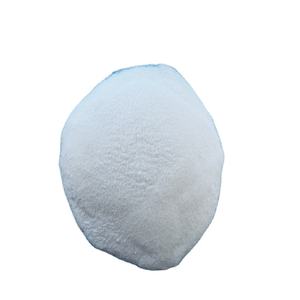
Key Properties of Silicon Dioxide Minerals
Quartz has a hardness of 7 on the Mohs scale, making it resistant to scratching. It has a glassy luster and conchoidal fracture, which are influenced by the intermolecular forces in silicon dioxide. In pure form, it is transparent to translucent and can be colorless or colored by impurities. It is also piezoelectric—generating an electric charge under mechanical stress—a property used in watches and electronics.
Silicon dioxide minerals are chemically stable at room temperature but dissolve in hydrofluoric acid. They are highly resistant to weathering, which is why quartz grains are common in sand and sedimentary rocks. The high melting point of SiO2 (around 1600°C) makes quartz important in glassmaking and ceramics.
| Key Point | Explanation |
|---|---|
| Mineral composed of SiO2 | Quartz is the primary mineral made entirely of silicon dioxide. |
| Chemical formula | SiO2, with both crystalline and amorphous forms. |
| Hardness | 7 on Mohs scale, scratching common glass and steel. |
| Luster | Glassy or vitreous, with conchoidal fracture. |
| Piezoelectricity | Generates electric charge under pressure; used in electronics. |
| Common colors | Colorless, white, pink (rose quartz), purple (amethyst), yellow (citrine). |
| Geological occurrence | Igneous, metamorphic, and sedimentary rocks; hydrothermal veins. |
| Industrial uses | Glass, electronics, abrasives, ceramics, construction. |
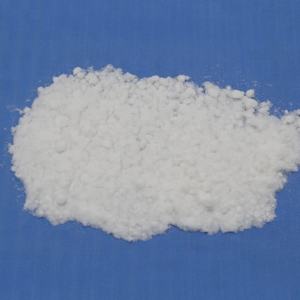
Formation and Occurrence of Quartz
Quartz crystallizes from cooling magma in igneous rocks such as granite. It also precipitates from hydrothermal solutions in veins and cavities, often accompanying minerals like gold. Quartz is a major component of metamorphic rocks like quartzite and is found in sedimentary rocks as sand grains.
The largest deposits of pure quartz occur in pegmatites and hydrothermal veins. Brazil, Madagascar, and the United States are known for producing high-quality quartz crystals. The mineral's ability to form large, well-shaped crystals makes it popular for industrial use and mineral collections.
Applications of Silicon Dioxide Minerals
In electronics, quartz crystals are used as oscillators to control frequency in clocks, radios, and computers due to their piezoelectric properties. In construction, silica sand is a key ingredient in concrete and mortar. Glass manufacturing relies on silica as the primary component, typically accounting for 60–70% of the glass batch.
Silicon dioxide is used in the production of silicon metal, which is essential for solar panels and semiconductors. It is also used in abrasives, ceramics, water filtration, and as a filler in paints and plastics, where it appears as silicon dioxide in ingredients.
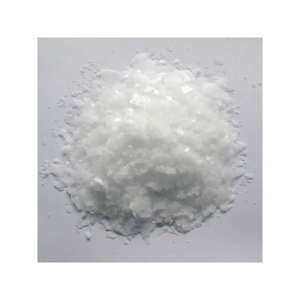
Comparison with Other Silica-Containing Minerals
While quartz is the purest natural form of silicon dioxide, other minerals contain silica but are not composed solely of SiO2. Feldspar, common in granite, contains silica along with aluminum, potassium, sodium, or calcium. Talc and mica also contain silica but have different chemical formulas and structures.
When asked which mineral is composed of silicon dioxide, the answer is specifically quartz. In broader contexts, however, 'silica minerals' can refer to any mineral that contains SiO2, including the polymorphs cristobalite and tridymite, which have the same composition but different crystal structures.
Frequently asked questions
Is quartz the only mineral made of silicon dioxide?
Quartz is the most common mineral made entirely of SiO2, but its polymorphs such as cristobalite and tridymite also have the same composition. Amorphous silica like opal is not a true mineral due to lack of crystal structure.
Does sand contain silicon dioxide?
Yes, sand is primarily composed of small grains of quartz (silicon dioxide) along with other minerals. The high silica content makes sand useful for glassmaking.
What is the difference between quartz and silica?
Silica is the chemical compound silicon dioxide. Quartz is a mineral that is a crystalline form of silica. All quartz is silica, but silica can also occur in non-crystalline forms like opal or synthetic glass.
Can silicon dioxide be found in living organisms?
Yes, silicon dioxide (silica) is found in some organisms, such as diatoms (microalgae) and sponges, which use it to build their cell walls or skeletons.
RELATED POSTS

Frozen smoke – aerogel powder
what is silicon dioxide powder
how many moles of oxygen are present in 4.13 grams of silicon dioxide ? 0.05324 moles.
what is the type of hybridization of the silicon and oxygen atoms in silicon dioxide
