Discover premium silica dioxide, industrial grade SiO2, for various applications.

Key takeaways
- Pure silicon dioxide can be prepared by precipitation from sodium silicate, hydrolysis of silicon alkoxides, or conversion from silicon and silicon tetrachloride.
- Purity is defined by the intended use and includes chemical identity, phase, and trace impurity level.
- Purification usually combines washing, drying, and calcination, and its limits depend on the synthesis route.
- Route selection depends on required purity, physical form, and production scale.
- Handling and waste management are part of process planning, not afterthoughts.
How Do You Make Pure Silicon Dioxide?
Pure silicon dioxide can be made by isolating it from natural sources or synthesizing it from silicon-containing precursors. The most common laboratory route starts with a soluble silicate, such as sodium silicate, which is reacted with an acid to precipitate hydrated silica; the solid is then washed, dried, and calcined to remove water and residual impurities. A second route starts with a silicon alkoxide, such as tetraethyl orthosilicate, which undergoes hydrolysis and condensation to form a silica gel that is dried and purified. A third route uses thermal or chemical conversion of high-purity silicon or silicon tetrachloride in a controlled atmosphere to deposit silicon dioxide.
The word "pure" matters here. In practice, purity is defined by the intended use, not by an absolute standard. Food, pharmaceutical, electronic, and optical applications each tolerate different levels of trace metals, water, and organic residue. That is why the preparation method and the purification steps must be chosen together, rather than treating synthesis as a single recipe.
This guide explains the main preparation routes, the purification steps that follow them, and the practical conditions that determine which route fits a given situation. It focuses on general principles rather than brand-specific procedures, and it does not claim that any single method is universally best.
What Counts as Pure Silicon Dioxide
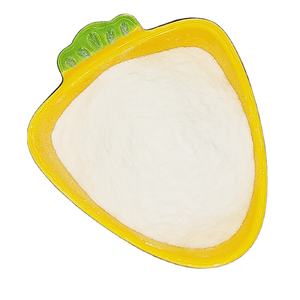
Silicon dioxide is a compound of silicon and oxygen with the formula SiO2. In its pure form it is a network solid in which each silicon atom is bonded to four oxygen atoms, and each oxygen atom is shared between two silicon atoms. This network structure is why pure silicon dioxide is hard, thermally stable, and electrically insulating.
Purity, however, is a relative term. A material described as pure silicon dioxide may still contain parts-per-million or parts-per-billion levels of other elements, depending on the grade. Common impurities include sodium, iron, aluminum, calcium, and organic residues from processing. Water content also matters, because hydrated silica and anhydrous silica behave differently in many applications.
For practical purposes, it helps to separate three ideas: chemical identity, phase, and grade. Chemical identity means the material is SiO2 rather than a silicate or a mixture. Phase refers to whether it is amorphous or crystalline. Grade refers to the level of trace impurities and the physical form, such as powder, gel, or film. A preparation method that produces the right chemical identity may still fail if the phase or grade does not match the intended use.
Route One: Precipitation from Sodium Silicate
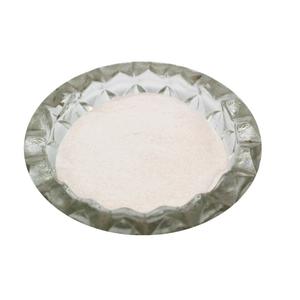
The precipitation route is one of the most widely used ways to obtain silicon dioxide in bulk. It begins with sodium silicate, often called water glass, which is a soluble source of silicate ions. When an acid such as sulfuric acid or hydrochloric acid is added, the silicate ions condense into a hydrated silica network that separates from the solution as a fine solid.
The reaction conditions strongly influence the product. Temperature, pH, addition rate, and stirring affect particle size, surface area, and pore structure. After precipitation, the solid is separated by filtration or centrifugation. Washing with water removes soluble salts, especially sodium and sulfate or chloride ions left from the acid. A final drying step removes bulk water, and calcination at elevated temperature converts hydrated silica into a more anhydrous form.
The main advantage of this route is that it uses inexpensive, widely available starting materials and can produce silica on a large scale. The main limitation is that the product typically contains residual sodium and other trace metals unless the washing and purification steps are thorough. For applications that require very low metal content, additional purification may be needed.
Route Two: Hydrolysis of Silicon Alkoxides
The alkoxide route, often called the sol-gel route, starts with a silicon alkoxide such as tetraethyl orthosilicate or tetramethyl orthosilicate. In the presence of water and an acid or base catalyst, the alkoxide groups are replaced by hydroxyl groups in a hydrolysis reaction. The resulting silanol groups then condense to form siloxane bonds, building a three-dimensional silica network.
Because the starting alkoxide can be purified by distillation, this route can produce silicon dioxide with lower metal content than the precipitation route. The reaction is also easier to control at the nanometer scale, which is why it is common in thin films, coatings, and optical materials. The trade-off is cost and handling: alkoxides are more expensive than sodium silicate and require careful control of moisture, temperature, and catalyst concentration.
After gelation, the material is typically aged, dried, and sometimes calcined. Drying conditions determine whether the product remains porous or collapses into a denser solid. For high-purity applications, the entire process is often carried out with filtered solutions and clean handling to avoid reintroducing contaminants.
Route Three: Conversion from Silicon or Silicon Tetrachloride
A third family of methods starts with a high-purity silicon source. Silicon tetrachloride can be hydrolyzed or oxidized to form silicon dioxide, and high-purity silicon can be oxidized thermally to grow a silicon dioxide layer on a substrate. These routes are common in semiconductor and optical manufacturing, where thin, uniform films matter more than bulk quantity.
In thermal oxidation, a silicon wafer is exposed to oxygen or steam at elevated temperature. The silicon surface reacts to form a dense silicon dioxide layer whose thickness can be controlled by time and temperature. In silicon tetrachloride conversion, the compound is reacted with water or oxygen to produce silica, often as a fine powder or a deposited film. Because the starting materials can be highly purified, these routes can reach very low levels of metallic contamination.
These methods are less suited to producing large amounts of low-cost powder. They are better understood as precision routes for applications where film quality, thickness control, or very low contamination is the priority.
Purification Steps That Follow Synthesis
Synthesis alone rarely produces a material that meets a strict purity specification. Purification usually combines several steps, and the right combination depends on the impurities introduced by the chosen route.
Washing is the first step for precipitated silica. Repeated washing with water, sometimes with a dilute acid or a chelating agent, removes soluble salts and some adsorbed metal ions. Filtration or centrifugation separates the solid from the wash liquid. For finer particles, membrane filtration or dialysis may be used to avoid losing material.
Drying removes water but does not remove non-volatile impurities. Calcination at controlled temperature can decompose organic residues and convert hydrated silica to a more anhydrous form, but excessive temperature can cause sintering or unwanted crystallization. For very high purity, additional techniques such as ion exchange, distillation of precursors, or zone refining of the starting silicon may be used before synthesis rather than after.
Each purification step has limits. Washing cannot remove impurities locked inside the solid network, and calcination cannot remove non-volatile metals. That is why precursor purity and clean handling are often more effective than trying to purify a contaminated product after the fact.
How to Choose a Preparation Route
The right route depends on what the silicon dioxide will be used for. If the goal is a large amount of low-cost powder for a general application, precipitation from sodium silicate is usually the practical starting point. If the goal is a high-purity film or a nanoscale structure, the alkoxide sol-gel route or a silicon-based conversion route is more appropriate.
Three questions help narrow the choice. First, what level of metallic contamination is acceptable? Second, what physical form is needed, such as powder, gel, film, or monolith? Third, what scale is required, from grams in a laboratory to tonnes in production? The answers usually point to one route and away from the others.
It also helps to plan purification at the same time as synthesis. A route that produces a very pure precursor may need less washing, while a route that uses inexpensive starting materials may need more. Treating synthesis and purification as one combined process is more realistic than optimizing either step alone.
Safety and Handling Considerations
The preparation of pure silicon dioxide involves reagents that require care. Strong acids and bases used in precipitation and sol-gel reactions can cause burns and should be handled with appropriate gloves, eye protection, and ventilation. Silicon tetrachloride reacts vigorously with water and releases hydrogen chloride, so it must be handled in a dry, well-ventilated environment.
Fine silica powders can become airborne and should be controlled to avoid inhalation. Crystalline silica dust is associated with respiratory hazards, while amorphous silica is generally handled with dust-control measures. Calcination and thermal oxidation involve high temperatures, so heat-resistant equipment and proper insulation are needed.
Waste streams also matter. Spent wash water may contain salts or residual acids and should be neutralized or treated according to local regulations. Planning for waste handling at the start of a process is more effective than dealing with it after the fact.
Common Questions About Making Pure Silicon Dioxide
A frequent question is whether pure silicon dioxide can be made from sand. Sand is largely silicon dioxide already, but it contains other minerals and surface contaminants. Simply washing sand does not remove impurities locked inside the grains, so sand is usually treated as a raw material for silicate production rather than a direct source of high-purity silica.
Another common question is whether one method is universally better. No single route is best for every case. Precipitation is economical and scalable, sol-gel offers control and purity, and silicon-based conversion supports thin films and very low contamination. The right choice depends on the target purity, form, and scale.
A third question is how purity is verified. In practice, purity is checked with analytical methods such as elemental analysis, spectroscopy, and diffraction, depending on the impurity and phase of interest. The specific method should match the specification being tested.
Frequently asked questions
Can pure silicon dioxide be made from sand?
Sand is largely silicon dioxide, but it contains other minerals and surface contaminants. Washing sand does not remove impurities inside the grains, so sand is typically used as a raw material for silicate production rather than a direct source of high-purity silica.
Which preparation route gives the highest purity?
Routes that start with purified precursors, such as silicon alkoxides or high-purity silicon, generally allow lower metallic contamination than precipitation from sodium silicate. The achievable purity also depends on the purification steps and handling conditions.
Why is calcination used after precipitation?
Calcination removes water and decomposes organic residues, converting hydrated silica into a more anhydrous form. Excessive temperature can cause sintering or unwanted crystallization, so the conditions need to be controlled.
Is amorphous silica different from crystalline silica?
Yes. They share the same chemical formula but differ in atomic arrangement. Amorphous silica lacks long-range crystalline order, while crystalline silica has a regular repeating structure. The two forms behave differently in many applications and have different handling considerations.


